Mostrando entradas con la etiqueta Ciudad Señora. Mostrar todas las entradas

viernes, 26 de junio de 2009

Festibuga

Guadalajara de Buga is a city of contrasts, there was reconciled with the modern tradition, progress with respect to the past, faith in the joy. It has the charm of the cities in which privacy is still able to breathe, and neighborhood solidarity. It is interesting in this space which is part of a musical event features international. Each year, Guadalajara de Buga "Ciudad Señora de Colombia" is experiencing a very special experience, the realization of the FESTIVAL NACIONAL E INTERNACIONAL DE INTÉRPRETES DE LA CANCIÓN DE BUGA, better known as "FESTIBUGA".


The venue of this festival was the Teatro Maria Cristina, welcome reminder of the Bugueño and involved in several towns of the department and four representatives from other parts of the country.


Given the positive balance of an artistic version of the first Festival for the following year joined the organization in its efforts by the mayor and various civic associations and institutions, was institutionalize annual increase other ingredients such as the Kingdom of the Festival.
For 1974, the headquarters of the Festival was moved to the Concha Acústica which was named "Bernardo Romero Lozano".

Between the years 1974 and 1982 enabled the consolidation of the Festival and achieving notable progress in 1976 and the Festival in its international version. The trophy was instituted "The Old Chapel, Lord of Miracles", was broadcast on national television special, and with musicians of great national and international career. These events placed the festival in a place of importance in the art world in the 1982 playoffs and the finals have their own seat, premieres la Concha Acústica.
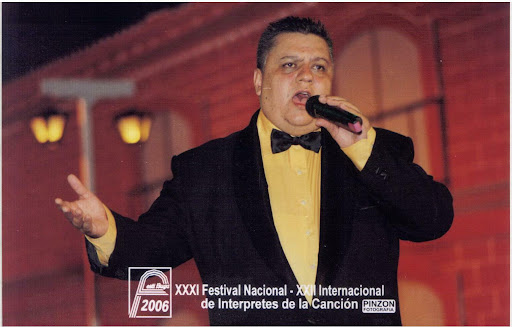

In 1985 and after two years of silence la Concha Acústica is decked again to welcome the representatives of the country and the musical world. The festival comes with a new board, with a structure and a new organization aiming at sustainability and success. They also legalized the Statute, by the importance and visibility of the event, it became necessary to expand coverage of social objectives. Why life was given legal creation of the Foundation for National and International Festival of Song Interpretes Buga "FESTIBUGA" non-profit Foundation, which promotes the culture in its various manifestations.

Guadalajara de Buga, The Madam City (Guadalajara de Buga, La ciudad Señora)

(Image: Guadalajara de Buga, 1880).
Guadalajara de Buga, is a small town of Valle del Cauca, and one of the oldest cities in Colombia, according to historians had four foundations in different places and at different dates.

At the time of the conquest, their lands were habited by various and brave warrior tribes.
Buga's name comes from the tribes that populate the upper valleys of the Cordillera (Image: Guadalajara de Buga, view from the "Derrumbado") Central, where he founded "Buga la vieja". Etymologically speaking, the name of Buga is an Caribbean word and means "Pais de la Lanza(Land of the Spear)."
Note that Pijao, the Bugas and the Quinamanoes were Caribbean descent, from archipelagos Antilleans penetrated into the hinterland through rivers Colombians to settle in the mountains and valleys.


The first time was founded by the master Giraldo Gil de Estupiñan, in the headwaters of the Rio Buga La Grande, in the year 1555, giving it the name "Nueva Jerez de Los Caballeros" which was soon attacked, looted and burned by Pijao Indians, killing many, among them at the same founder. It was rebuilt in the territory of the Indians in the region Quinamanoes called "Babaya" which was located in the mountains at the foot of the Cerro Pan de Azúcar.

(Image: Guadalajara de Buga in The Valle del Cauca Department)

The second foundation was renamed the "Guadalajara de Buga" and third with the same name, later to become the capital of the province between 1834 and 1887, the year in which it was incorporated as a municipality. in 1908 was the capital of the department for twenty months to the creation of the Department of Valle in Cali as its capital.


The King Felipe II of Spain, gave him the title of City in the late sixteenth century and was granted its coat of arms for the many services rendered to the crown. Thus, in 1810 Buga was part of the confederated cities of Valle del Cauca and provided blood and patriotism of her children, including that of General José María Cabal, Francisco and Miguel Cabal. On January 11, 1822, the Liberator Simón Bolívar visited Buga, turning 26 and
December 27, 1829, two commemorative plaques placed in the houses where we stayed recall this event.


Guadalajara de Buga's coat of arms